




Retaining Wall Builder Near Me – Scenic Rim
Local Retaining Wall Builders in the Scenic Rim, QLD
Searching for a retaining wall builder near me in the Scenic Rim? Rocksmith Construction is a local, experienced retaining wall contractor delivering structurally sound, council-compliant retaining walls across the Scenic Rim region.
We build retaining walls for residential, rural, and acreage properties, designed to handle sloping blocks, variable soil conditions, and heavy rainfall common to the area.
Call Rocksmith Construction today for a local retaining wall builder you can rely on.
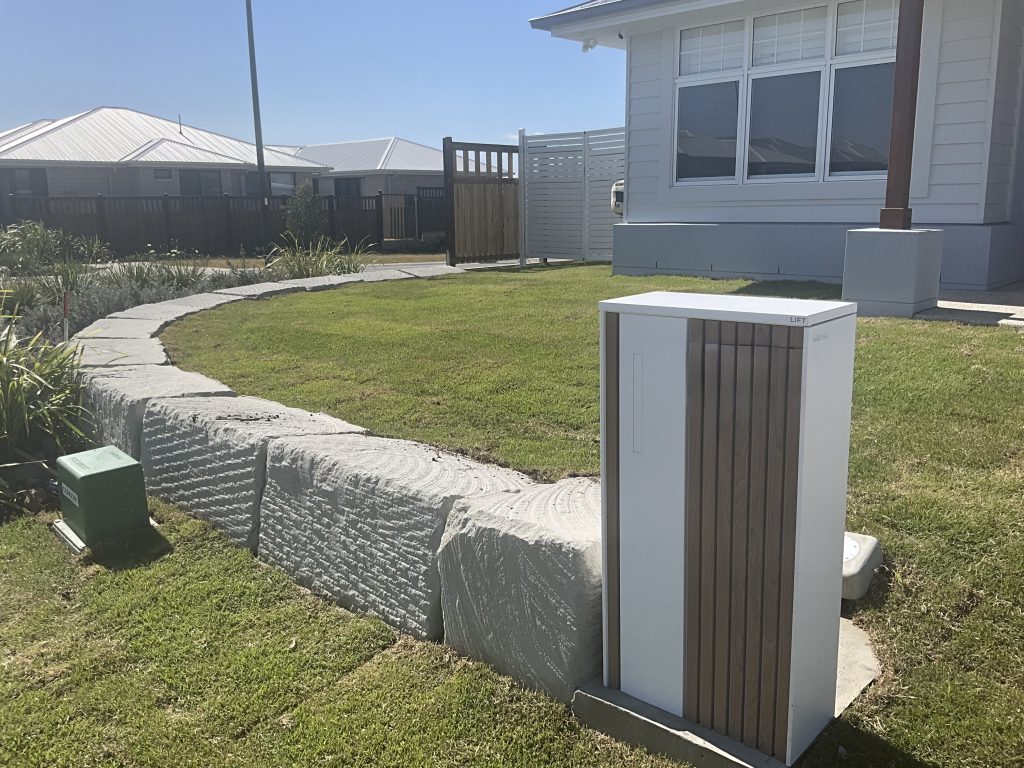
Your Local Retaining Wall Builder – Scenic Rim
Choosing a local retaining wall builder near you matters. Local knowledge of soil conditions, drainage, access, and council requirements makes a real difference to the performance and lifespan of your retaining wall.
As Scenic Rim–based retaining wall builders, we provide:
- Site-specific retaining wall design
- Engineered structural retaining walls
- Council-compliant construction
- Drainage-focused installations
- Practical solutions for sloping and rural blocks
We don’t use generic designs — every retaining wall is built to suit your property.
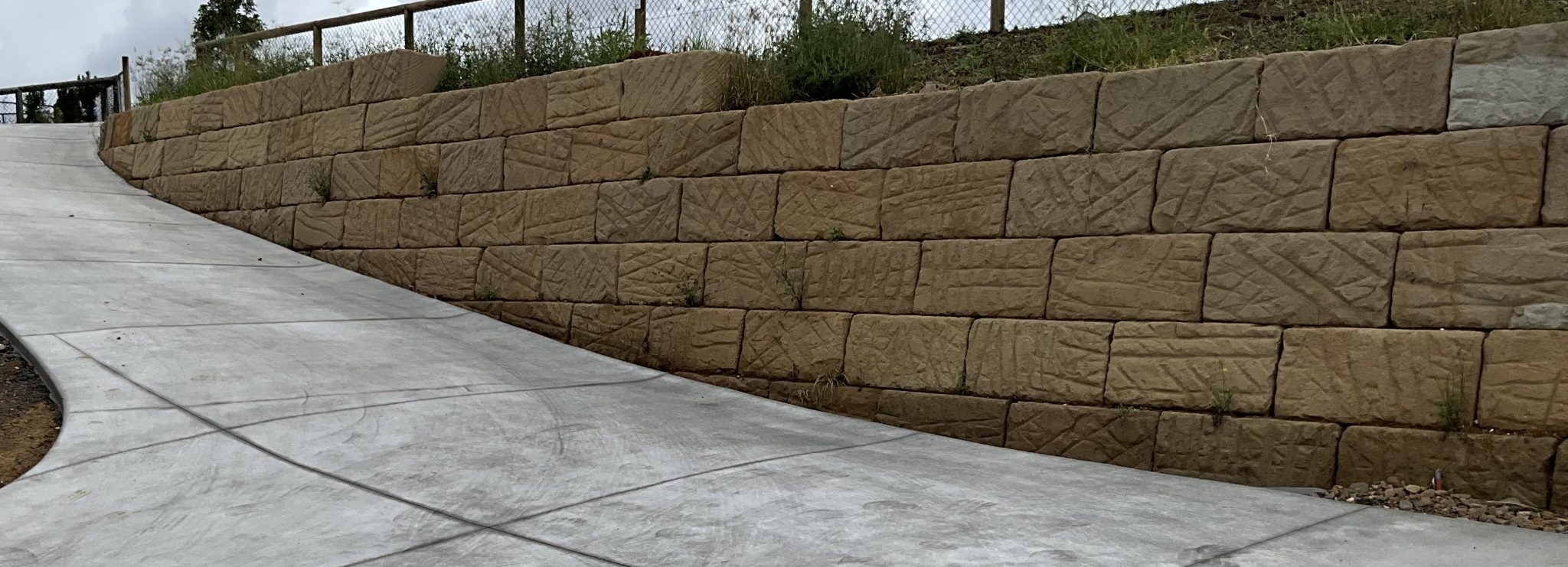
Retaining Wall Construction Near You
Our retaining wall construction services in the Scenic Rim include:
- Structural retaining walls
- Earth retention for sloping blocks
- Cut and fill support walls
- Retaining walls for driveways, sheds, and access ways
- Retaining walls for rural and acreage properties
If you’re searching “retaining wall construction near me”, our team delivers professional results built for long-term stability.
Materials Built for Scenic Rim Conditions
As an experienced retaining wall builder near you, we use proven materials selected for strength, durability, and performance in Scenic Rim conditions, including:
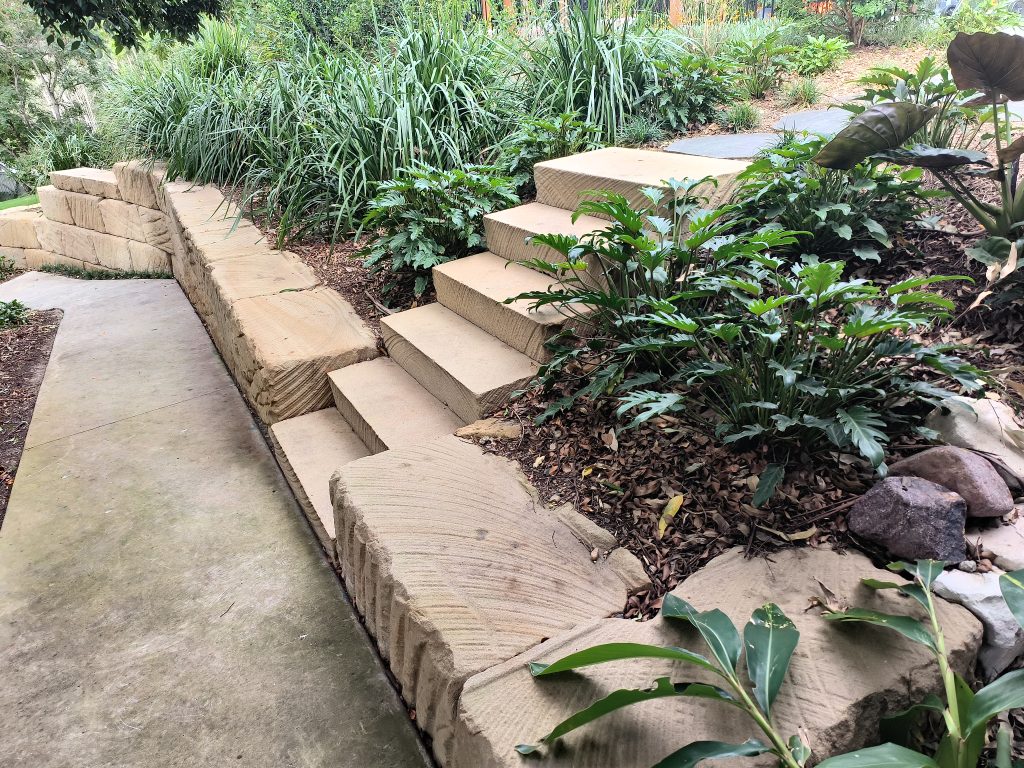
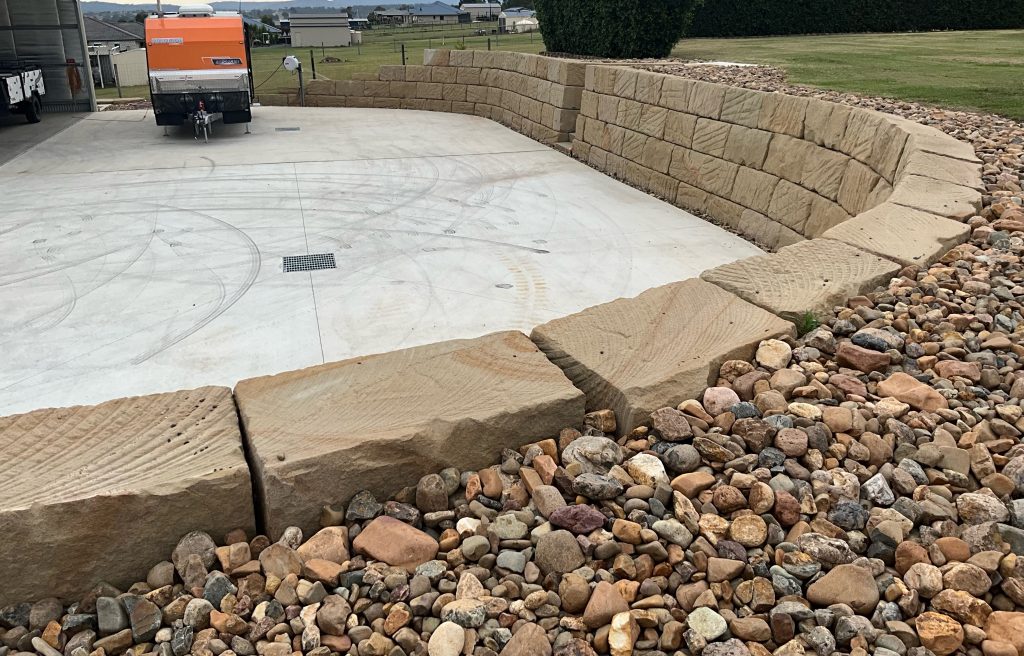
- Sandstone blocks
- Bush boulder rocks
- Concrete blocks
Material selection is matched to wall height, soil type, drainage conditions, and long-term maintenance needs.
Drainage-First Retaining Wall Design
Proper drainage is essential for any retaining wall. Many retaining wall failures are caused by poor drainage rather than poor construction.
Every retaining wall we build includes:
- Engineered drainage behind the wall
- Management of groundwater and surface runoff
- Protection against hydrostatic pressure buildup
This approach ensures your retaining wall performs during heavy rainfall events.
Council-Compliant Retaining Walls Near Me
Retaining wall construction in the Scenic Rim may require council approval depending on wall height, location, and site conditions.
As local retaining wall builders, we ensure:
- Compliance with Australian Standards
- Engineering and council approval where required
- Setbacks and drainage meet council requirements
- No adverse impact on neighbouring properties
We can assist with the approval process where necessary.
Why Choose Rocksmith Construction?
When searching for a retaining wall builder near me, property owners choose Rocksmith Construction because we offer:
- Local Scenic Rim experience
- Professional retaining wall contractors
- Engineered and compliant construction
- Clear communication and honest advice
- Retaining walls built to last
We focus on quality workmanship, not shortcuts.
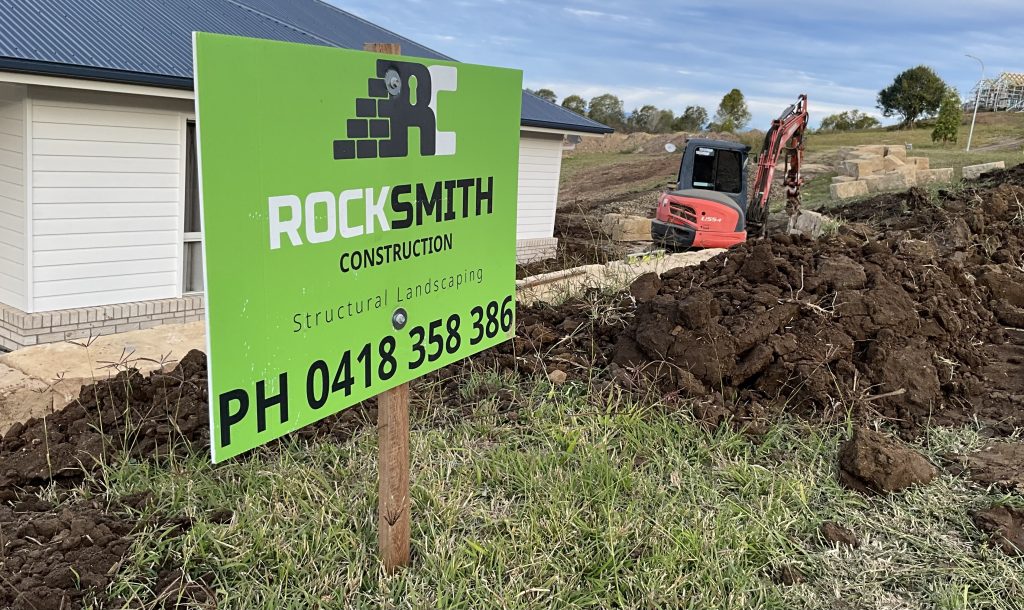
We provide retaining wall construction across the Scenic Rim, including:
- Boonah
- Beaudesert
- Kalbar
- Aratula
- Harrisville
- Kooralbyn
Surrounding rural and acreage areas
If you’re in the Scenic Rim and searching for retaining wall builders near me, we’re local and ready to help.
Get a Retaining Wall Quote Near You
Need a retaining wall builder near you in the Scenic Rim? Contact Rocksmith Construction today on 0431 454 082 for expert advice and a site inspection.
Call now to speak with a local retaining wall builder
Strong. Local. Built for Scenic Rim conditions.